
 (765) 299-4921
Tree Risk Assessment
Fast Help When Trees Become Dangerous
TRAQ-Certified Tree Risk Evaluation in Rockville, IN
A structured, science-backed evaluation that identifies hazardous conditions in your trees so you can act before branches or entire trunks fail.
Our Tree Risk Assessment follows the TRAQ methodology, a national standard that brings structure and consistency to tree evaluations. We don’t rely on guesswork. We examine the entire tree system: roots, trunk, branch structure, and canopy. We look for decay, cracks, weak attachments, cavities, fungal growth, and previous storm damage. We measure lean angles, check for root plate movement, and assess how close the tree is to structures, powerlines, or high-traffic areas. Every detail matters when predicting failure risk.
During the inspection, we document tree species, age, health condition, and any visible defects. We evaluate the likelihood of failure and the potential consequences if a branch or tree does come down. You get a written report with clear recommendations: remove, prune, cable, monitor, or leave as is. This isn’t a sales pitch. It’s data you can use to budget, plan maintenance, or demonstrate due diligence if a claim ever arises.
Our TRAQ certification means we’ve completed advanced training in risk evaluation and passed rigorous exams. In Parke County, where ice storms and summer winds stress mature oaks and maples, having a trained eye on your property protects what matters most. If you’re buying or selling property, managing rental units, or simply concerned about a leaning tree near your driveway, a Tree Risk Assessment gives you clarity and control.
Spot Hazards Before They Fall
Trees add beauty to your property, but a diseased, dead, or structurally weak tree can turn into a serious liability. A falling branch or entire tree can damage your home, vehicle, or worse—injure someone on your property. That’s where a Tree Risk Assessment comes in. Our TRAQ-certified assessment identifies hidden dangers you might miss.
We evaluate tree health, structural integrity, and environmental factors that could lead to failure. In Rockville and across Parke County, spring storms and summer weather create real risks. Trees weakened by disease, previous damage, or poor structure can fail suddenly, especially after heavy winds or ice loads. An assessment gives you the facts you need to decide whether a tree needs removal, reinforcement, or monitoring. You’ll know exactly what’s at risk and what action protects your family and property. Don’t wait for a disaster to find out your trees aren’t safe.
TRAQ-Certified Tree Risk Assessment in Rockville, IN
If you’re concerned about a leaning tree near your house, managing liability on commercial property, or preparing for insurance documentation, our TRAQ-certified tree risk assessment gives you the answers you need.
At Advanced Tree Solutions, we hold the TRAQ (Tree Risk Assessment Qualification) certification, which means we follow standardized, nationally recognized methods to evaluate tree hazards. This isn’t guesswork or a quick walk-around. We assess root stability, trunk integrity, branch structure, and environmental stressors like soil erosion or storm damage to determine the likelihood and consequences of failure.
After the assessment, you’ll receive a clear, written report that explains the condition of each tree, assigns a risk rating, and recommends next steps, whether that’s pruning, cabling, monitoring, or removal. We help property managers, homeowners, and municipalities in Rockville and surrounding areas make informed decisions that protect people, structures, and budgets.
Our team has evaluated trees across varied Indiana landscapes, from mature oaks near historic homes to roadside ash trees weakened by emerald ash borer. We understand the local tree species, soil conditions, and weather patterns that influence tree health and stability in our region.
Frequently Asked Questions About Emergency Tree Service
-
You should call when a tree or large branch has fallen, is leaning dangerously, or is threatening structures, vehicles, or walkways.
-
Yes. Our team carefully removes trees that have fallen on structures while working to prevent further damage.
-
Response time depends on the situation and weather conditions, but we prioritize urgent hazards that threaten safety or property.
-
Some trees can be saved with trimming or structural support. If the tree cannot be safely preserved, removal may be recommended.
-
Yes. We remove fallen limbs, branches, and debris so the area is safe and accessible again.
Our Services
Dependable Tree Care Solutions For Safer Properties
Tree Removal
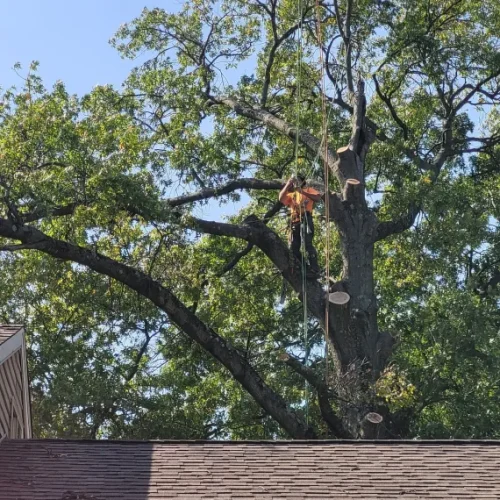
Remove dangerous or unwanted trees with safe tree removal services. Protect your property and schedule your removal today.
Read More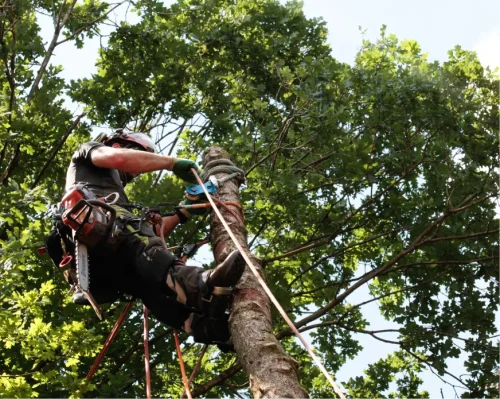
Tree Trimming & Pruning
Improve tree health with professional tree trimming services. Enhance safety and appearance with scheduled trimming today.
Read More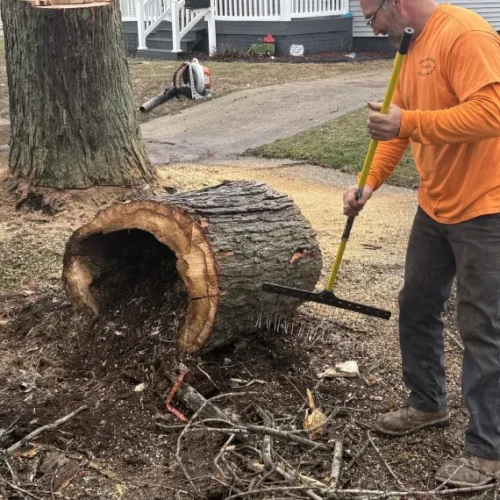
Stump Grinding & Stump Removal
Eliminate unwanted stumps with efficient stump grinding services. Restore your lawn and schedule stump removal today.
Read More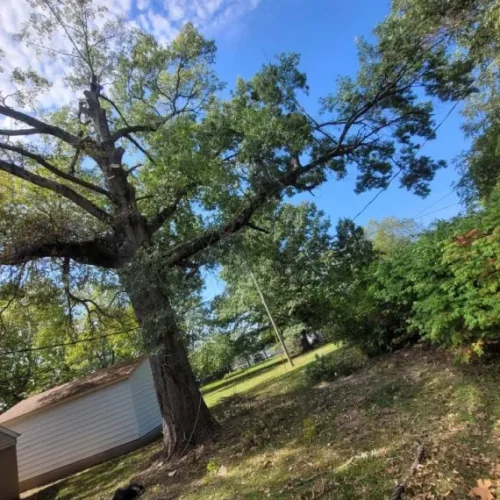
Emergency Tree Service
Resolve storm damage fast with reliable emergency tree services. Remove fallen trees and restore safety today.
Read More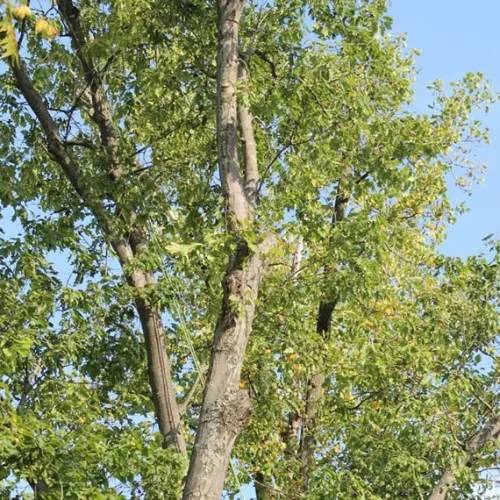
Certified Arborist Tree Care
Maintain healthy trees with professional arborist services. Improve tree growth and schedule an evaluation today.
Read More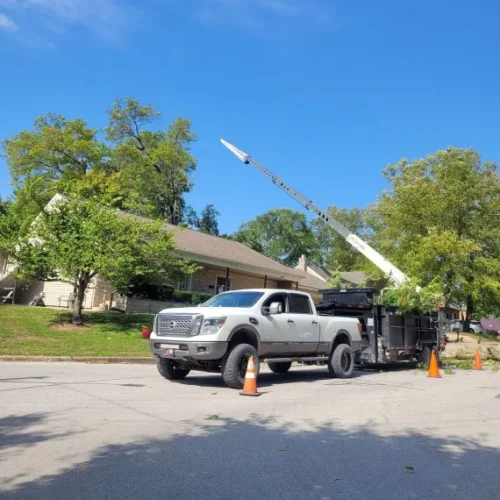
Land & Lot Clearing
Prepare your property with efficient land clearing contractors. Remove trees and brush to start your project today.
Read More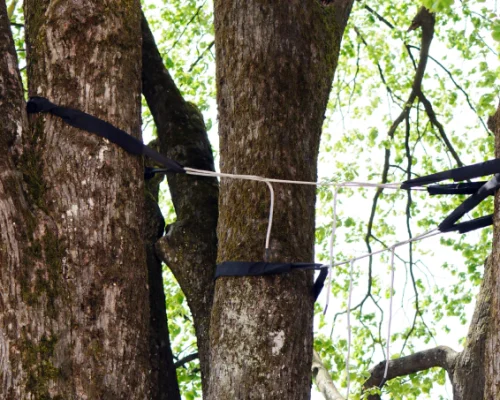
Tree Cabling & Bracing
Professional tree cabling and bracing in Rockville, IN. Protect weak limbs and strengthen tree structure.
Read More